Flagsource Insider: Insights, How-Tos, and Intriguing Stories from the Southeast's Flagpole Experts.
Flagpole Service Across Metro Atlanta and North Georgia: What a Maintenance Visit Actually Covers
Why a maintenance visit matters
If you manage a school, municipal building, church, dealership, business campus, or HOA entrance, the flagpole out front is part of the property's first impression. It is also easy to overlook — until a halyard snaps, a snap lets go, or the flag tangles the day before a ceremony.
Flagsource Southeast is family-run, based in Woodstock, and has served customers since 1981. Our crews work within a 300-mile radius of Atlanta, with Georgia at the center of what we do. A maintenance visit is a practical checkup for the whole system — what is sound, what is wearing, and what should be planned before a small issue becomes urgent.
Step 1: The rope comes first
The halyard — the rope that raises and lowers the flag — is usually the hardest-working part of the pole. We run its full length through our hands, checking for fraying, broken strands, stiffness, flat spots, sun damage, and wear at the truck and cleat.
If the rope is sound, we tell you so. If we find a worn section, we show it to you and explain the risk. A failed halyard can leave a flag stuck at the top or the rope end out of reach, turning a simple replacement into a bigger service call. Rope is inexpensive insurance, and in many cases a standard replacement can be handled the same day.
Step 2: The truck and pulley
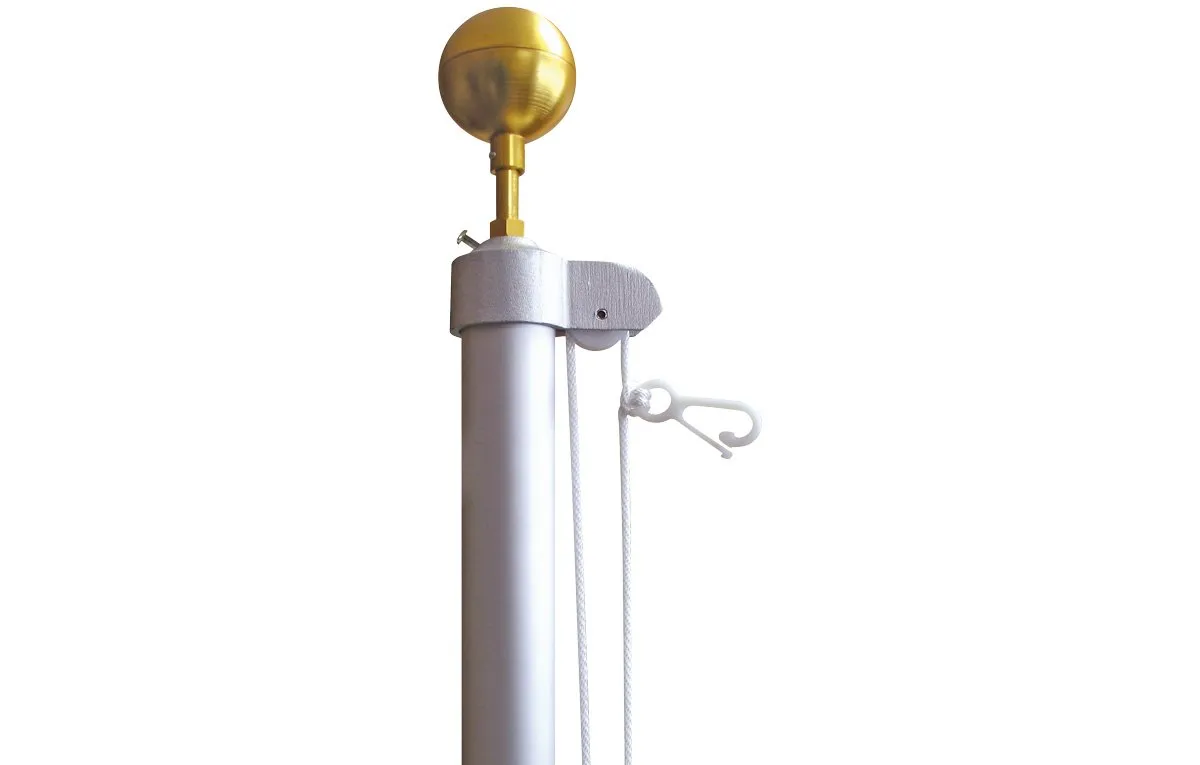
At the top of the pole is the truck, the cap assembly that houses the pulley the rope runs over. We check that the pulley turns freely, the truck is secure, and the parts are not corroded, cracked, or working loose.
A worn pulley can chew through good rope, make noise, and make the flag harder to raise and lower. Rough travel and grinding are warning signs. Catching a failing truck on a scheduled visit is far simpler than waiting until it seizes or damages the halyard.
Step 3: Snaps, cleat, and hardware
Next we inspect the snap hooks that connect the flag to the rope. Each snap is opened, closed, and checked for weak springs, corrosion, bent parts, and wear at the swivel. We also check the cleat: its fasteners should be tight, its body sound, and the rope should hold securely.
Small hardware does a critical job. A tired snap can let a flag go on the windiest day of the year; a loose cleat makes every flag change a nuisance. Replacing worn hardware on a planned visit is a small job compared with replacing a flag after a storm.
Step 4: The flag itself
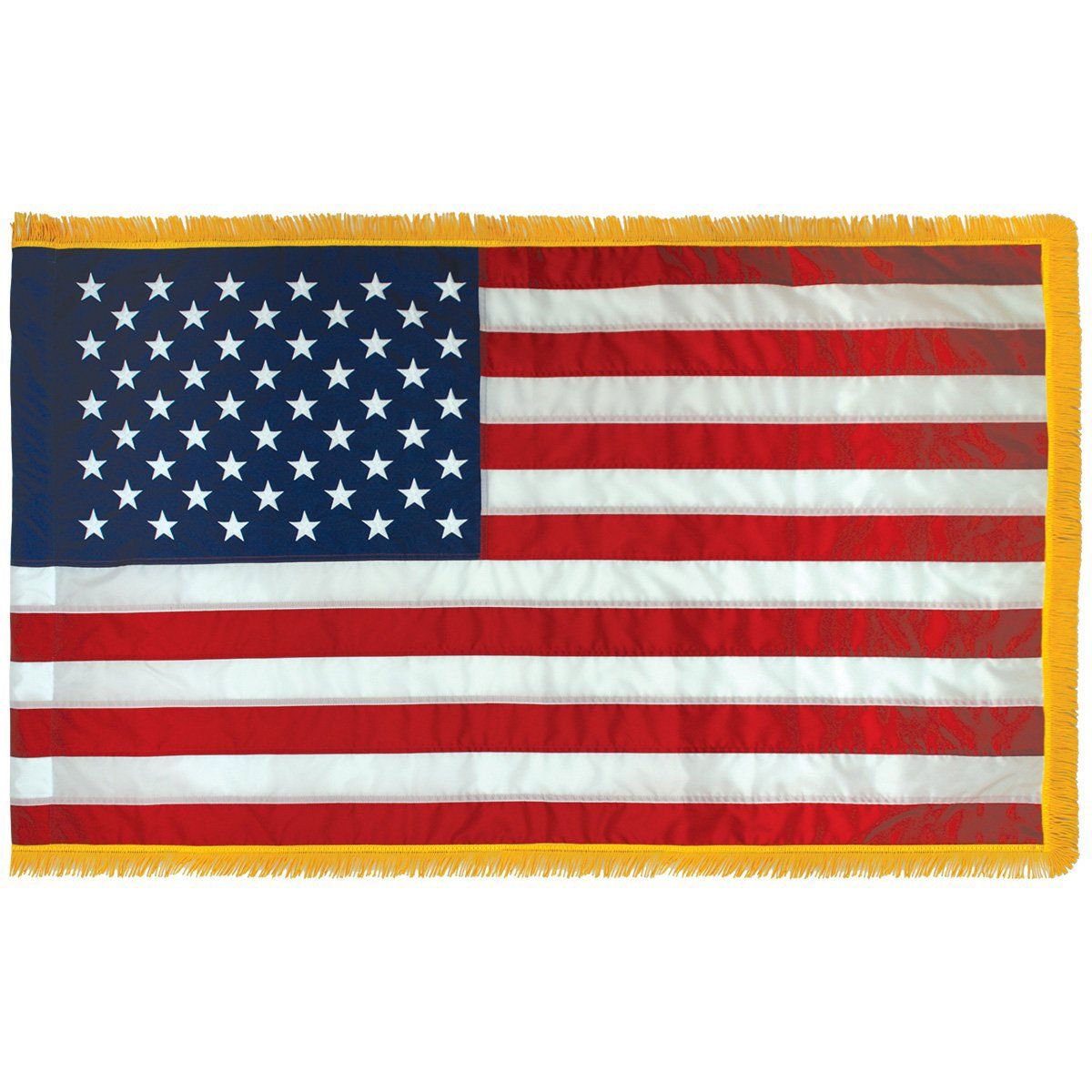
While we are there, we look at the flag with honest eyes: the fly end, seams, heading, grommets, and color. A flag may be dirty but still serviceable, or it may be faded and frayed past the point of looking respectful over a school, public building, business, or neighborhood entrance.
If replacement is due, we can help match the flag size to the pole. A flag that is too large strains the system and wears faster; one that is too small looks lost. An honest assessment lets you replace it on a schedule, not in a rush.
Step 5: Cleaning and the shaft
A maintenance visit can include cleaning the shaft to remove streaking, buildup, and oxidation. We also look over the pole's condition and finish. For painted poles, paint protection helps the finish stand up to Georgia sun and weather between visits.
This step is more than cosmetic. A clean pole and a fresh flag tell visitors, parents, customers, and residents that the property is looked after after. The inspection also lets us note visible concerns while we are on site, instead of waiting for the next problem to announce itself.
Step 6: A clear report afterward
A useful visit should end with more than an invoice. We report what was done, what we found, which parts are wearing, and what deserves attention next. That gives a facility manager, school administrator, municipal department, or HOA board something practical to budget around: rope on a known cycle, hardware replaced before failure, and flag changes timed instead of rushed.
The work also sits inside a real warranty framework. Installations performed by Flagsource Southeast are covered by our own 1-year workmanship warranty on parts and labor. The aluminum shafts on the poles we sell carry a lifetime shaft warranty, with hardware covered for one year. Maintenance still matters — wear items need attention — but the structure and our installation work are backed in writing.
How to schedule
If your property has a pole nobody has inspected in a few years, that is exactly the kind we should see. You do not need to diagnose it first. Tell us where the property is, roughly how tall the pole is, what flag it flies, and anything you have noticed — noise, stiffness, fraying, tangling, or a flag that will not come down. We serve properties across metro Atlanta and North Georgia, and throughout the wider 300-mile Atlanta radius. Call Flagsource Southeast at 770-977-3331 (Mon–Fri, 8:30 am – 4:30 pm), and we will help you schedule the right visit.
Flagsource Southeast in Woodstock, Georgia | EST.1981
"Most people struggle to find a flag and flagpole supplier that can consistently deliver. We make the process simple so you can feel a sense of pride when you fly flags"

Who We Are
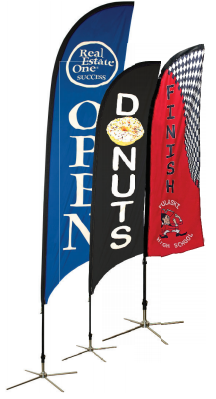
Flagsource Southeast Inc. is a leading provider of Flags, Banners, and Flagpoles near Atlanta, GA. Our collection includes Wave Banners®, corporate avenue banners, corporate image flags, American Flags, state flags, international flags, and custom banners. With a focus on exquisite craftsmanship, our flags are made using premium materials, ensuring durability, vibrant colors, and resistance to stains and wrinkles. With over four decades of experience, we offer exceptional service and a wide range of products to meet your specific needs. We have you covered from flagpole installation and maintenance to specialty flags for commemorative events. Our knowledgeable staff is here to assist you in finding the perfect flag, flagpole, or banner.